Troubleshooting
Think before you post: A single overshared moment on social media can expose you to serious risks. From identity theft to professional ruin, these 10 dangers reveal why privacy settings aren't enough to protect you online.
Identity Theft Through Location Tags
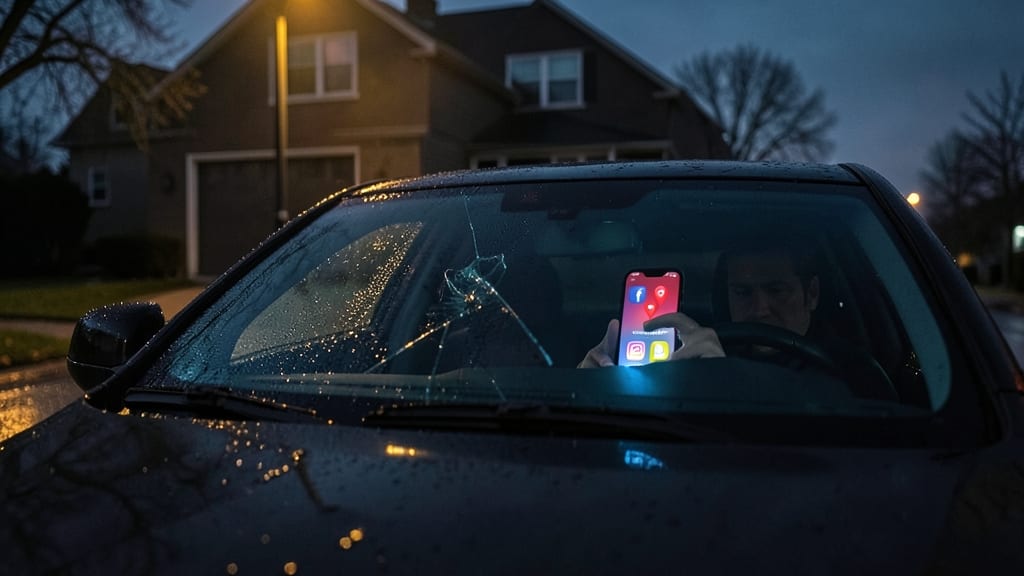
Your seemingly harmless "Check-in at Home" post isn’t just a status update—it’s a neon sign for criminals. Burglars and stalkers actively monitor real-time location tags to track when you’re away, making your home an easy target for theft or worse.
Platforms like Facebook, Instagram, and Snapchat default to sharing your exact GPS coordinates, even for "private" posts. A single check-in while you’re on vacation or at work reveals patterns that predators exploit. Worse, third-party apps often access this data without your knowledge, creating a hidden trail of your daily routines.
This risk isn’t theoretical—nearly 30% of home burglaries involve prior surveillance of victims’ social media activity. If you’re sharing your location, you’re essentially handing criminals a schedule. 💻
Job Loss From Controversial Opinions
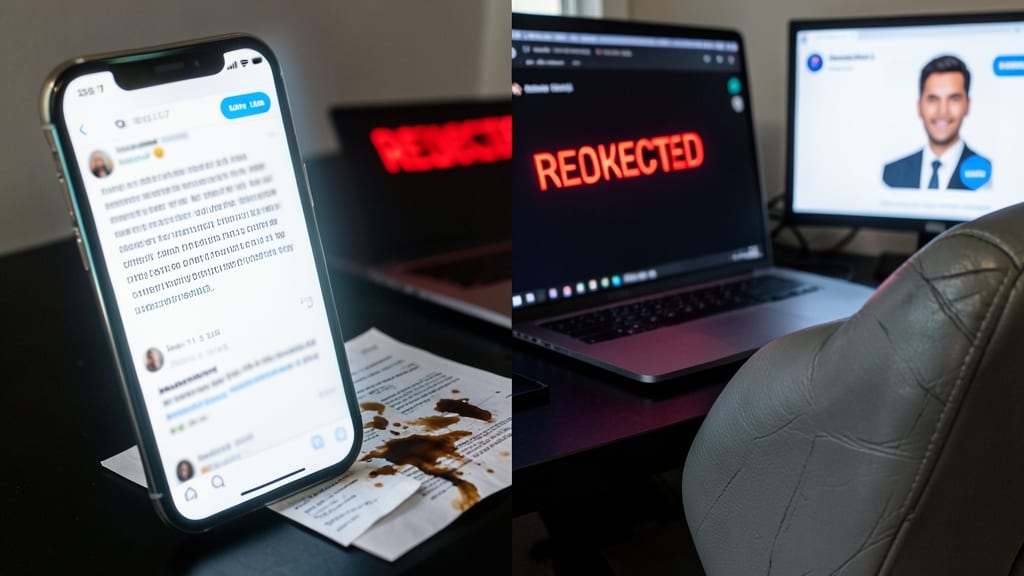
Your next career opportunity could hinge on a tweet from five years ago—or even a seemingly harmless LinkedIn comment. With 70% of recruiters actively checking candidates’ social media, one inflammatory post can derail promotions, job offers, or even your current position, especially in conservative industries like finance, law, or government.
Platforms like LinkedIn and Twitter/X now integrate with HR tools like HireVue and Social Intelligence, flagging posts for keywords like "divisive," "unprofessional," or industry-specific red flags. A single misplaced joke about workplace policies or a heated political take can trigger automated alerts—even if you thought the post was private. Companies like Amazon and Google have terminated employees over posts unrelated to their jobs, proving that context doesn’t matter when algorithms scan your digital footprint.
If you’re in a customer-facing role, freelancing, or aiming for leadership, your social media becomes a real-time interview. The fix? Audit your profiles for hidden connections, enable two-factor authentication, and treat every post as a potential job application. 💻
Phishing Attacks Using Personal Details
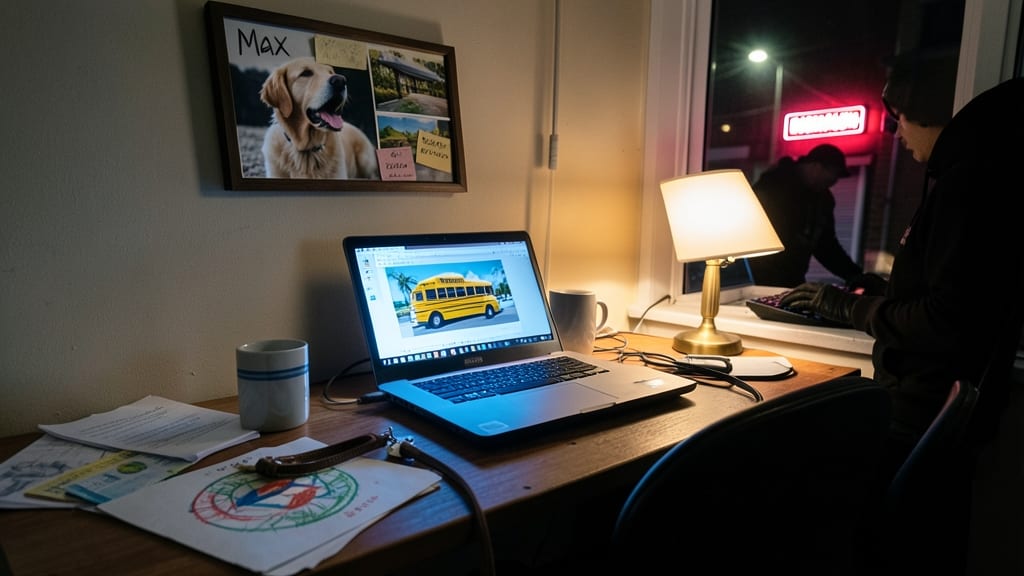
What if scammers knew your dog's name, your child's school, or even your last vacation destination before you did? That’s the power of hyper-personalized phishing—where cybercriminals weaponize your overshared details to trick you into revealing passwords, unlocking accounts, or transferring money.
These attacks start with publicly available data (birthdays, pet names, or even casual vacation posts) to craft emails that seem legitimate. For example, a phisher might send an email saying, "Your Netflix account was locked—verify your password here!" using your real birthday as a "security question" answer. The result? 70% of users fall for these tailored lures, according to recent FBI reports, because they bypass traditional security checks like CAPTCHAs or generic "password reset" prompts.
Freelancers, small business owners, and anyone with multiple accounts (banking, social media, email) are prime targets. The fix? Disable security questions entirely (use app-based 2FA instead) and audit your posts for unintentionally public details. ⚡
Stalking Enabled By Routine Posts
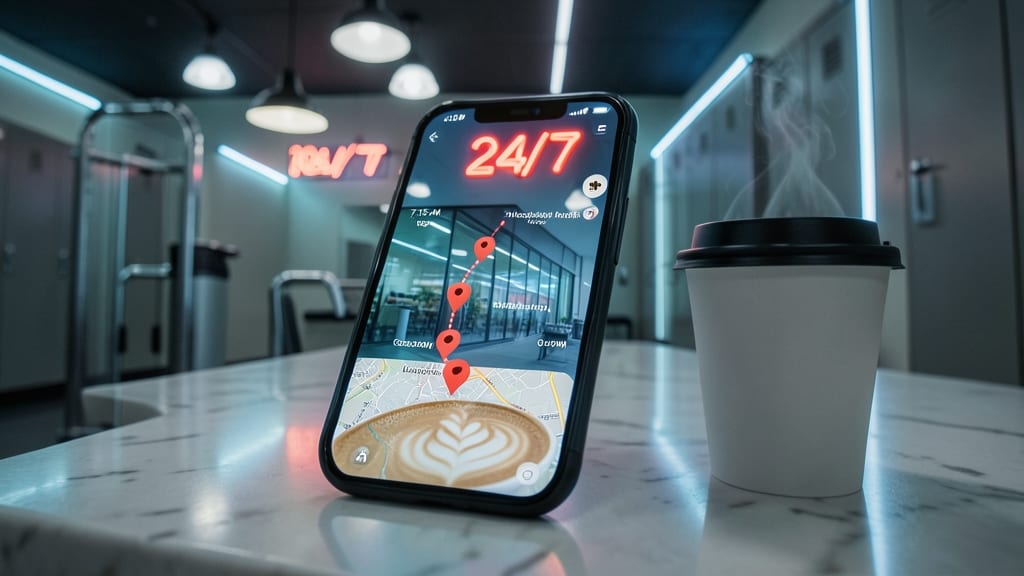
Your daily coffee shop run or gym routine might seem harmless, but posting the same time-stamped locations every week creates a predictable pattern for stalkers to exploit. Apps like Google Maps Timeline or Facebook check-ins leave digital trails that obsessive followers or ex-partners can weaponize to track your movements.
Even seemingly innocent posts—like "Heading to the gym at 6 AM" or "Sipping lattes at Starbucks"—can be cross-referenced with public transit data or geotagged photos to pinpoint your exact whereabouts. Stalkerware apps can even sync with social media to send real-time alerts when you arrive or leave a location. The risk escalates if you use the same routes daily.
This threat isn’t just theoretical: victims of domestic violence and high-profile figures often report being tracked through routine oversharing. If you’re concerned, disable location services for social apps, avoid posting real-time updates, and use private accounts with restricted visibility. 💻
Financial Scams From Overshared Photos
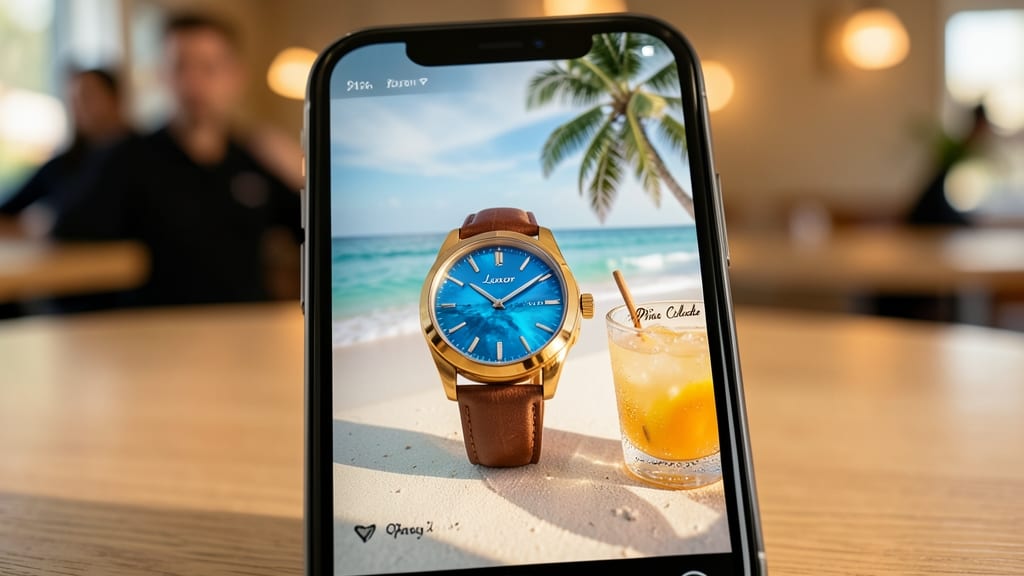
That dreamy vacation post or flashy new watch purchase might seem harmless, but it’s actually a red flag for scammers lurking in your network. Opportunistic contacts—even "friends"—often exploit these posts to request loans, pitch fake investment opportunities, or lure you into high-pressure financial schemes.
Scammers use social proof by referencing your posts ("I saw you just bought a new car—need $500 for a quick opportunity!") to make their requests seem legitimate. Worse, they may share fake "exclusive" deals (like cryptocurrency or luxury real estate) that vanish with your money. A 2023 FTC report found that 40% of social media scams start with oversharing about purchases or travel.
Small business owners and freelancers are especially vulnerable—scammers pose as clients or partners to exploit perceived success. Always verify requests via phone or in person, never through DMs. 💡
Blackmail Material From Private Moments
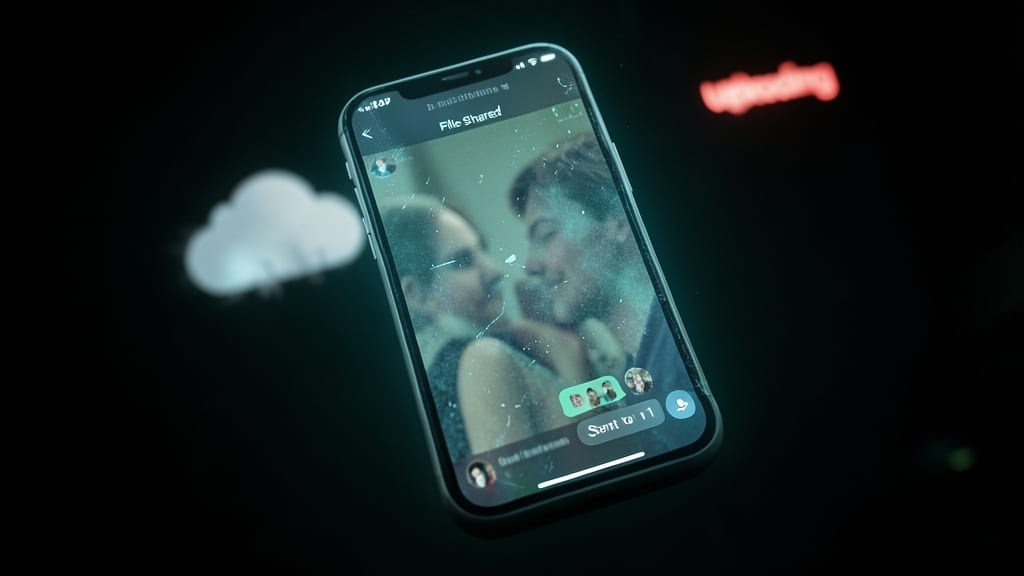
That private photo or video you shared with just one person could become your worst nightmare. What starts as a moment of trust can turn into blackmail material years later, especially when stored on cloud services or shared through messaging apps with weak encryption.
Once leaked, these intimate files spread like wildfire—used by ex-partners for emotional leverage, hackers for ransom demands, or even sold on the dark web. Platforms like Snapchat (despite its disappearing claims) and WhatsApp have faced breaches where private media was exposed, while iCloud backups have been exploited in high-profile cases. Even "deleted" files can linger in cached servers or third-party apps.
This risk isn’t just for celebrities—everyday users are targeted too. If you’ve ever shared something you’d regret going public, assume it’s already in the wrong hands. A 24-hour deletion rule and end-to-end encryption (like Signal or ProtonMail) can help, but the damage is often irreversible once it’s out there. 💻
Insurance Fraud From Health Updates
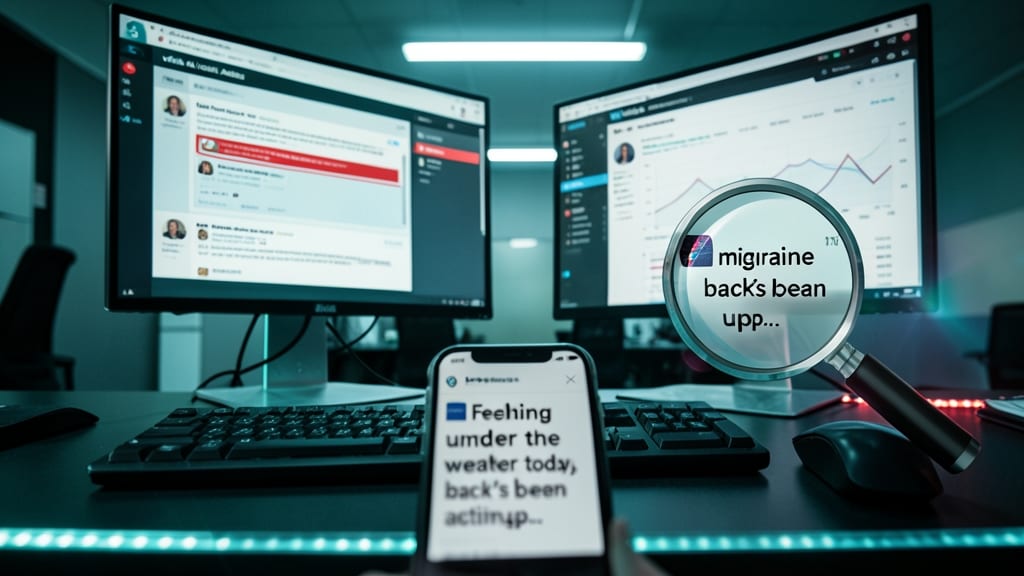
That "I'm feeling under the weather" post might seem harmless, but insurers now use AI-powered tools to scan social media for inconsistencies with your claims. A single update about a back injury or migraine could trigger audits—or worse, outright claim denials.
Companies like LexisNexis and Verisk specialize in social media fraud detection, cross-referencing posts with medical records. Even vague updates like "not feeling great" can raise red flags if they contradict your doctor’s notes. Worse, some insurers have adjusters actively monitoring platforms to spot discrepancies in real time.
This isn’t just about voided claims—some insurers hike premiums for policyholders flagged as high-risk. If you’ve ever posted about a health issue, double-check your privacy settings and avoid oversharing symptoms or treatment details. 💡
Digital Footprint For Future Employers
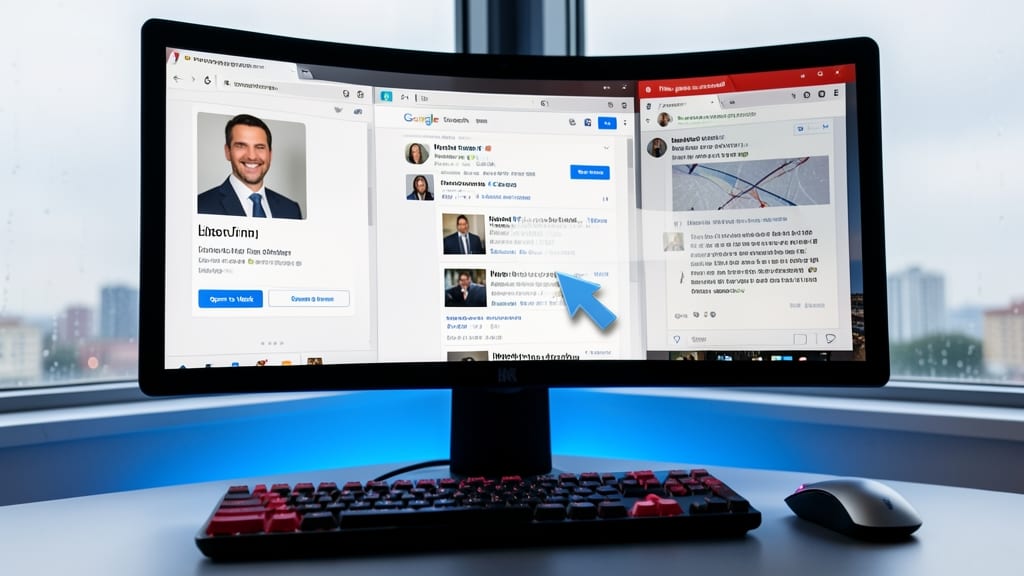
Your social media history isn’t just visible to friends—it’s a public record that recruiters actively search to assess your professionalism. Even if you delete posts, platforms like LinkedIn and Google cache them, leaving a permanent trail that can make or break job opportunities.
Companies now use tools like HireVue or Social Intelligence to scan candidates’ digital footprints, flagging inconsistencies between your resume and online persona. A single controversial meme, unprofessional photo, or outdated job complaint can raise red flags about cultural fit or reliability, even years after posting. Worse, AI-powered screening now cross-references your activity with company values—meaning a "fun" post might clash with a corporate culture.
Freelancers, job seekers, and career switchers should audit their profiles using Google’s "Clear Cache" or JustDeleteMe to remove traces of old content. For extra security, set posts to "Friends Only" and enable two-factor authentication to lock down your accounts. 💻
Targeted Ads Based On Personal Struggles
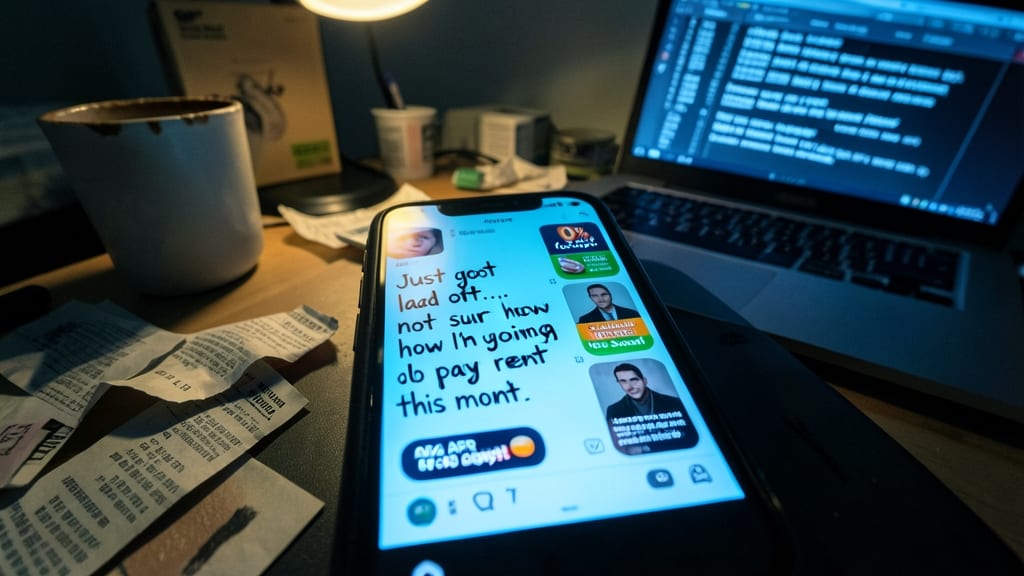
That heartfelt post about your financial setback or mental health battle might feel cathartic—but it’s also a goldmine for predatory marketers. Algorithms now flag vulnerable users and bombard them with high-interest loans, unregulated supplements, or even manipulative dating profiles disguised as support.
Platforms like Facebook and Instagram use sentiment analysis tools to detect stress in your posts, then serve ads from lenders offering "quick cash" or supplement companies promising "miracle cures." Even support groups can become advertising battlegrounds, with scammers lurking in comments offering "free consultations" that cost thousands.
If you’re struggling, seek help offline—but assume any post about hardship will trigger targeted ads. A simple privacy tweak (like limiting audience to "Friends Only") won’t stop algorithms from scraping your data. 💡
Legal Consequences From Misjudged Posts
That late-night joke about "borrowing" a coworker’s laptop or "skipping" a red light might seem harmless—but law enforcement isn’t laughing. Courts have ruled that even private group chats can be subpoenaed as evidence, turning casual banter into digital confessions with serious legal weight.
Prosecutors have used social media posts to charge individuals with conspiracy, fraud, or even terrorism—yes, really. A 2022 case saw a man convicted of wire fraud after a private Discord message about a fake investment scheme resurfaced. Even "deleted" posts can linger in platform backups or screenshots shared with third parties, creating permanent records.
If you’re in a high-risk profession (law enforcement, finance, tech) or just value your freedom, think twice before posting anything that could be misconstrued. One poorly timed meme or offhand remark could become your digital alibi’s worst enemy. 💻