
Operating System
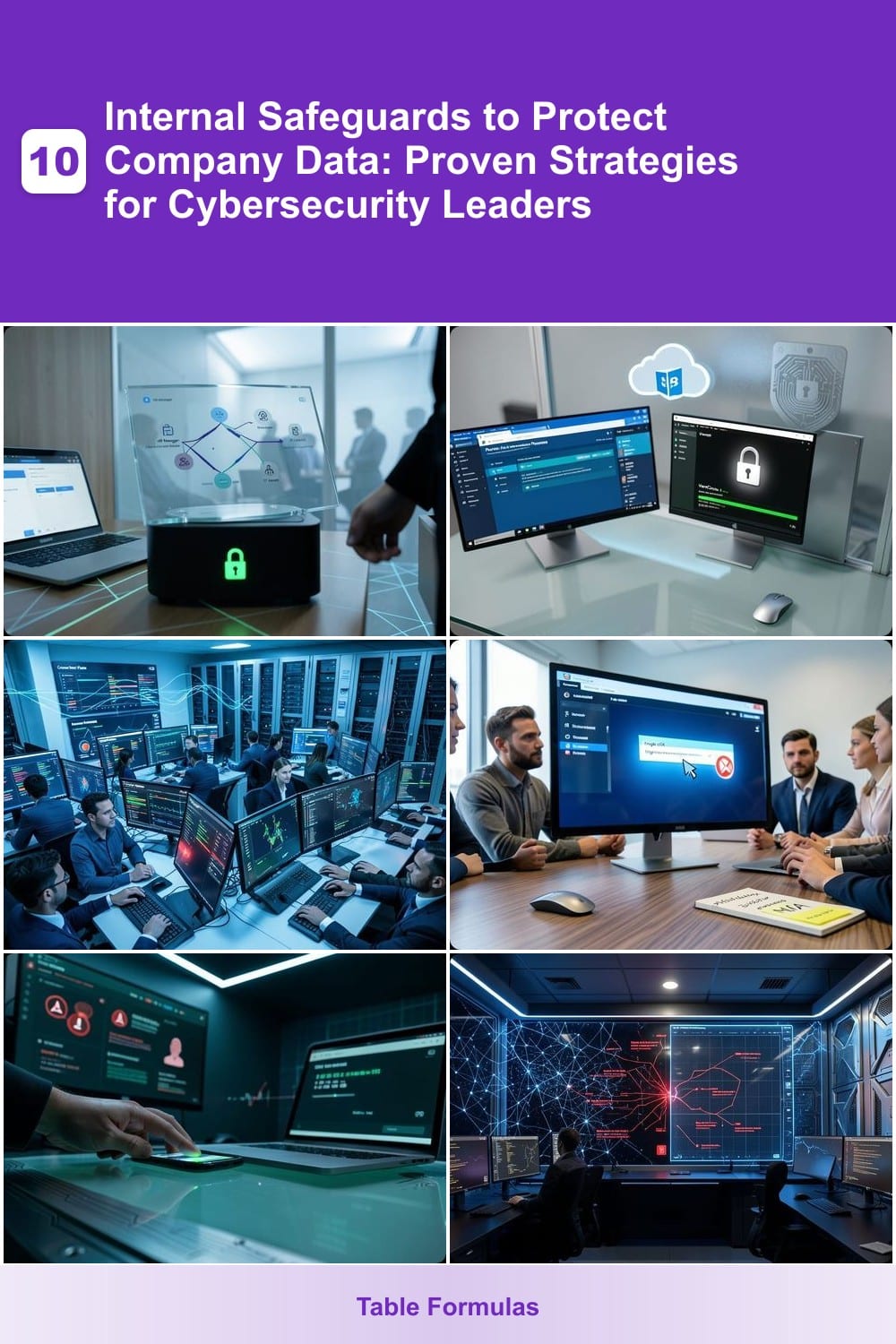
Cybersecurity threats evolve daily, but internal safeguards remain your first line of defense. These 10 proven strategies help cybersecurity leaders implement robust data protection measures that reduce vulnerabilities and minimize breach risks.
Role-Based Access Control Implementation
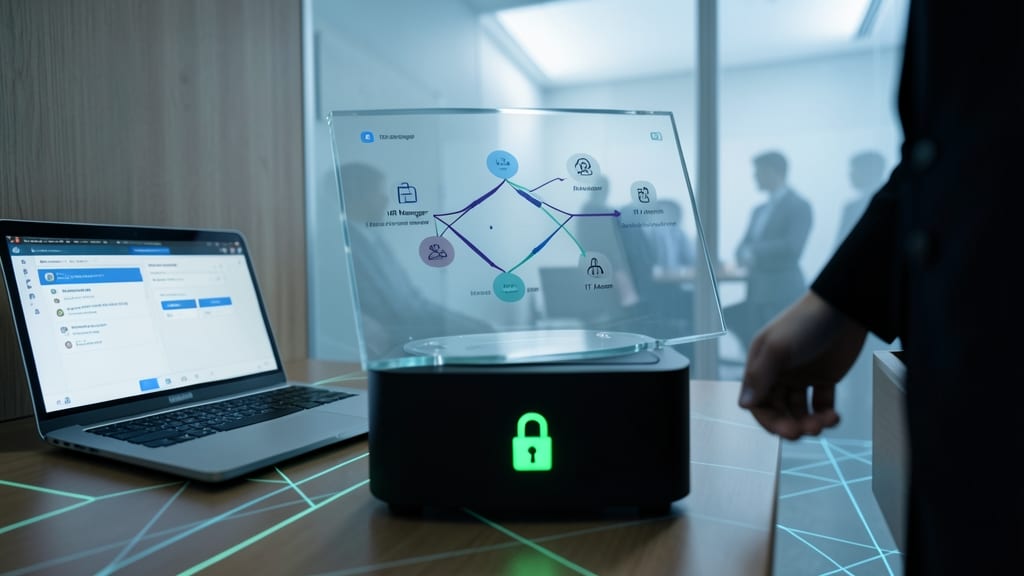
Tired of data breaches starting from within? Role-Based Access Control (RBAC) is the invisible shield that ensures only the right people see the right data—no exceptions. By assigning permissions based on job roles (like "HR Manager" or "Finance Analyst"), you eliminate accidental leaks and curb insider threats before they escalate.
Modern RBAC systems like Microsoft Azure AD or Okta let you define granular rules—such as restricting payroll access to HR only or limiting customer data visibility to support teams. Integration with Active Directory or LDAP ensures seamless sync across departments, while audit logs track every access attempt for compliance. The result? A least-privilege model that cuts exposure by up to 70% without slowing down workflows.
This is non-negotiable for compliance-heavy industries (healthcare, finance) but also a game-changer for startups scaling teams. Start small with department-specific policies, then expand to role hierarchies as you grow. 💻
Automated Data Encryption for Sensitive Files
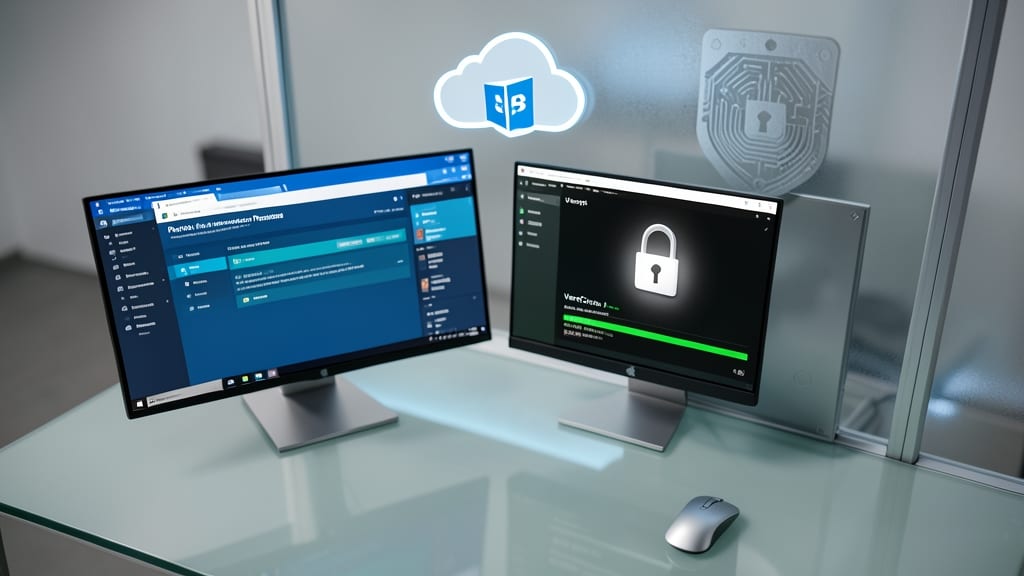
Forget manually encrypting files—modern solutions like Microsoft Purview Information Protection and VeraCrypt handle it automatically, ensuring AES-256 encryption for data at rest and in transit without IT overhead.
These tools integrate with cloud storage (like SharePoint) or local drives, applying encryption policies based on file type or sensitivity. Zero-configuration setup for common formats (PDFs, Excel) means sensitive financial reports or patient records stay locked down effortlessly, even if devices are lost or stolen.
Perfect for HIPAA-compliant clinics or finance firms where compliance deadlines loom—automation reduces human error while meeting strict regulatory demands. 💻
Endpoint Detection and Response Systems

When remote teams spread across time zones connect to your network, you need more than firewalls—you need real-time threat hunting. Endpoint Detection and Response (EDR) systems like CrowdStrike Falcon or Microsoft Defender for Endpoint continuously scan devices for suspicious behavior, from unusual login patterns to malware-free but malicious scripts.
These tools go beyond signature-based detection, using AI-driven behavioral analysis to stop zero-day attacks before they spread. Features like automated containment isolate infected machines instantly, while forensic investigation tools provide detailed attack timelines. For companies with hybrid workforces, cloud-based EDR ensures protection whether employees are in the office or working from a coffee shop.
Perfect for IT teams managing dispersed workforces, EDR systems cut response times from hours to minutes—turning reactive security into a proactive shield. 💻
Regular Security Awareness Training Programs

Tired of security breaches starting with a single click? Security awareness training transforms your biggest vulnerability—your team—into your strongest defense. Unlike complex technical safeguards, this approach focuses on the human element, where most breaches originate.
Programs like KnowBe4 or PhishMe simulate real-world phishing attacks to test employees, while interactive modules cover password hygiene (e.g., enforcing 12+ character passphrases) and recognizing social engineering tactics. Many platforms offer quarterly refresher courses with customizable scenarios, ensuring compliance without overwhelming IT teams. The ROI? Studies show a 70% reduction in phishing-related incidents after just six months.
This is the perfect safeguard for small to mid-sized businesses where IT budgets are tight but risks are high. Train your team once, and you’ll see immediate, measurable improvements in security posture. 💪
Multi-Factor Authentication for All Systems

Passwords alone aren’t enough to stop modern cyber threats—multi-factor authentication (MFA) adds that critical second layer of defense. By requiring a second verification method (like a fingerprint, SMS code, or hardware token) after entering a password, MFA blocks over 99% of automated attacks while keeping legitimate users secure.
Modern MFA solutions like Microsoft Authenticator or Duo Security integrate seamlessly with cloud apps (Office 365, Salesforce) and internal networks (VPNs, RDP), reducing credential theft risks by 90%. Push notifications or biometric scans ensure access only happens with user confirmation, making brute-force attacks obsolete. Even if a password is compromised, attackers can’t proceed without the second factor.
This safeguard is a must for finance, healthcare, and remote teams where sensitive data is constantly accessed. With zero-trust architectures becoming standard, MFA is no longer optional—it’s the baseline for modern security. ✨
Network Segmentation and Zero Trust Architecture

Imagine a breach happening—yet attackers can’t move beyond the initial breach point. That’s the power of network segmentation combined with Zero Trust Architecture, two strategies that create air gaps between critical systems and the rest of your network.
With Zero Trust, every access request—even from inside your network—must be authenticated, authorized, and encrypted. Tools like Palo Alto Prisma or Cisco Secure Firewall enforce this by treating every device as untrusted. Meanwhile, segmentation isolates high-value assets (like databases or payment systems) into their own VLANs, cutting off lateral movement for attackers. This approach reduces breach impact by 90%, according to Gartner.
Perfect for finance, healthcare, or any industry handling sensitive data, this safeguard turns your network into a fortress where every entry point is a checkpoint. 🌟
Automated Patch Management for Software
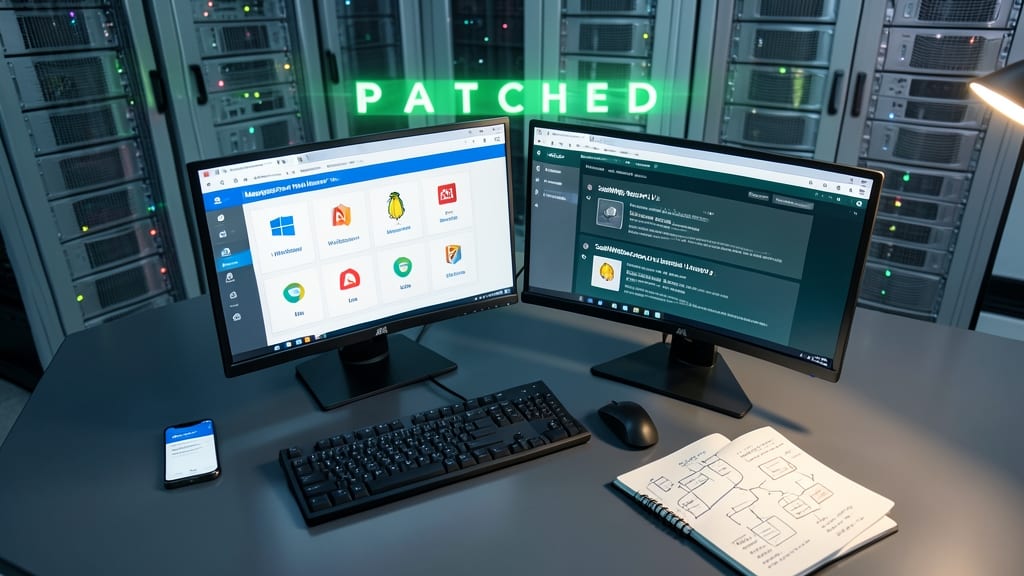
Forget waiting for the next breach to hit—automated patch management closes security gaps before attackers can exploit them. Tools like ManageEngine Patch Manager Plus or SolarWinds Serv-U scan for vulnerabilities across Windows, Linux, and third-party apps, then deploy fixes automatically—no manual downloads or forgotten updates.
These systems prioritize critical patches (e.g., CVE-2023-style exploits) over minor updates, reducing downtime while keeping legacy systems compliant. Integration with SIEM tools ensures patch status is logged and auditable, making it a must for industries like healthcare or finance where compliance is non-negotiable.
Ideal for IT teams drowning in manual patch cycles, this safeguard turns a tedious process into a set-and-forget shield against zero-day threats. ✨
Data Loss Prevention for Cloud Storage
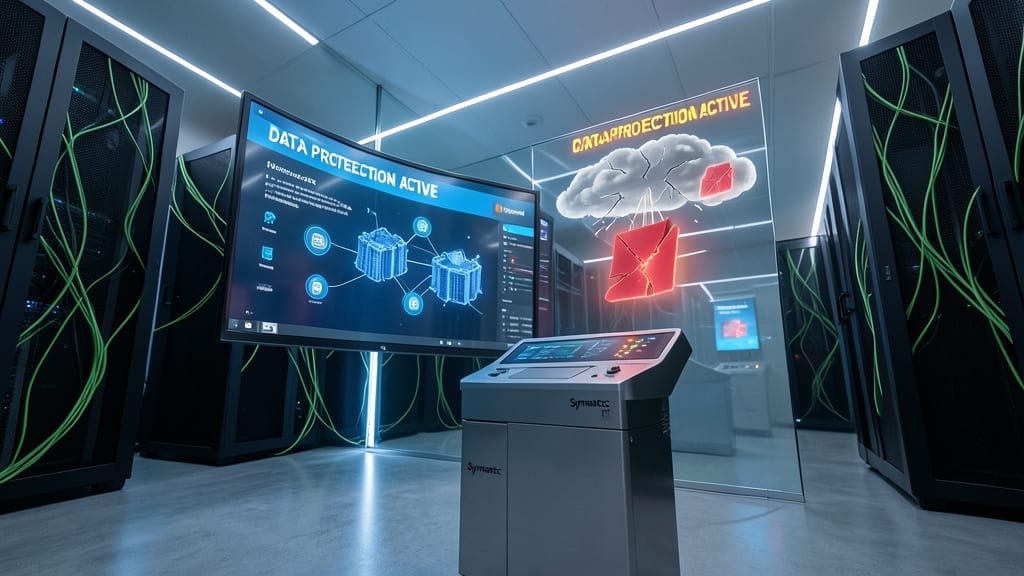
When a single misplaced file could trigger a compliance violation or expose customer data, Data Loss Prevention (DLP) for cloud storage acts as your digital bouncer—scanning every upload before it leaves your network. Unlike traditional firewalls, DLP solutions like Microsoft Purview or Symantec DLP use AI-driven classification to flag sensitive data (credit card numbers, SSNs, PII) and block transfers to unauthorized cloud services—even if an employee uses their personal Dropbox.
These tools integrate with your existing cloud platforms (AWS S3, Azure Blob Storage, Google Drive) and apply policies like real-time content inspection or end-user encryption. For example, Forcepoint DLP can detect and block 99.9% of sensitive data leaks while allowing legitimate file sharing. They also generate detailed audit logs for compliance reporting, ensuring you meet HIPAA, GDPR, or PCI DSS requirements without manual reviews. ⚡
Incident Response Plan Development

When a breach hits, every minute counts—yet many teams scramble without a clear playbook. An Incident Response Plan (IRP) turns chaos into action, defining roles, communication channels, and containment steps before an attack occurs. Unlike reactive measures, this structured approach ensures your team responds consistently, reducing downtime by up to 70% during critical events.
The best IRPs include predefined escalation paths, forensic preservation protocols, and tabletop exercises to simulate breaches. Tools like Splunk for log analysis and IBM Resilient for automation streamline response workflows, while NIST’s IR framework provides a battle-tested structure. Regular drills keep teams sharp—because when seconds matter, hesitation isn’t an option. 💪
Continuous Security Audits and Compliance Checks

Think of your security posture like a car’s safety system—even the best airbags and seatbelts need regular inspections to stay effective. Continuous security audits act as those inspections, systematically uncovering overlooked vulnerabilities before they become exploits.
Tools like ServiceNow GRC or IBM Security Verify automate compliance checks against frameworks such as ISO 27001 or NIST SP 800-53, flagging gaps in access controls, encryption, or logging. These audits aren’t one-off events; they run quarterly or monthly, adapting to new threats and regulatory updates. Automated reports highlight non-compliance in real time, letting you patch weaknesses before auditors—or attackers—spot them.
This approach is ideal for regulated industries (healthcare, finance) or any business handling sensitive data. By treating compliance as an ongoing process, not a checkbox, you turn potential liabilities into proactive defenses. ✨