
Software
Microsoft SQL Server Management Studio (SSMS) is the go-to tool for database administrators and developers. Each version introduces new features, security improvements, and compatibility tweaks—making it crucial to understand which release aligns with your needs. This guide breaks down the 10 key SSMS versions, comparing their capabilities and helping you choose the right one for your SQL Server environment.
SQL Server Management Studio 18.9
If you're working with SQL Server 2022 and need a tool that keeps up with its cutting-edge features, SSMS 18.9 is the go-to choice. This latest stable release isn’t just about incremental updates—it’s designed to supercharge your workflow with smarter development tools and deeper insights into query performance.
The standout features include enhanced IntelliSense, which now understands context better, reducing syntax errors and speeding up coding. Plus, the query performance insights are far more granular, helping you pinpoint bottlenecks in real-time. Compatibility with SQL Server 2022 is seamless, so you can leverage features like ledger tables, improved T-SQL query processing, and advanced analytics without hassle.
This version is a must-have for developers and DBAs who rely on SSMS for daily tasks, especially if you're working with modern SQL Server environments. The improvements in debugging and query optimization make it a battle-tested setup. ⚡
SQL Server Management Studio 18.8

If your enterprise handles sensitive data across hybrid cloud environments, SSMS 18.8 is the version designed to keep it secure. This release prioritizes Always Encrypted—Microsoft’s field-level encryption that protects data even during processing—with improved key management and performance for large-scale deployments.
The compliance reporting tools now generate audit-ready logs for GDPR, HIPAA, and SOC 2, while role-based access control lets admins enforce granular permissions without sacrificing usability. For hybrid setups, it adds seamless integration with Azure Key Vault for centralized credential storage, reducing shadow IT risks.
Ideal for finance, healthcare, or government sectors, this version bridges legacy on-prem systems with cloud security standards—without requiring a full migration. 💡
SQL Server Management Studio 18.7

If you're managing on-premises SQL Server instances but want cloud-based oversight, SSMS 18.7 bridges that gap with Azure Arc integration. This version lets you extend your on-prem databases into Azure management, enabling centralized governance and monitoring without migrating data.
The key feature here is Azure Arc-enabled servers, which sync your local SQL Server instances with Azure’s cloud management plane. You gain role-based access control, policy compliance checks, and cloud-based alerts—all while keeping your data on-site. The integration also simplifies patch management by aligning updates with Azure’s service lifecycle.
DevOps teams and hybrid-cloud architects will love this for zero-trust security models and unified monitoring. It’s the perfect tool if you’re modernizing legacy systems while maintaining on-prem control. ✨
SQL Server Management Studio 18.6
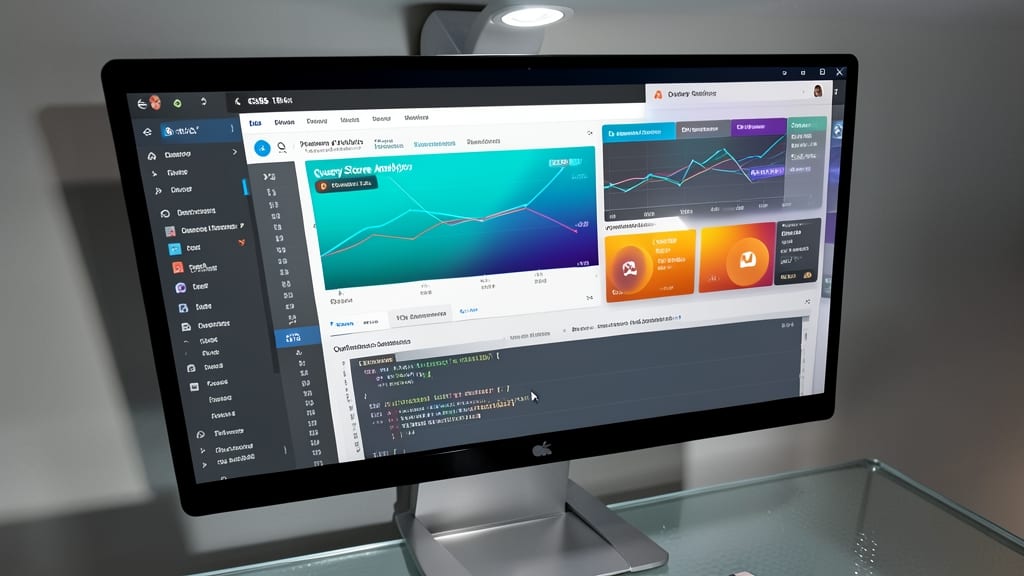
If you're managing SQL Server 2019 environments, SSMS 18.6 is your go-to tool for smarter query optimization. This version bridges the gap between raw performance metrics and actionable insights, thanks to its machine learning-powered query store analysis. It automatically identifies slow-running queries and suggests optimizations—no manual deep dives required.
The performance tuning tools in SSMS 18.6 are a game-changer for large-scale databases, offering granular control over indexes, execution plans, and resource allocation. Compatibility with SQL Server 2019’s advanced features (like Intelligent Query Processing) ensures you’re leveraging the latest engine capabilities without upgrading the server itself. The interface also includes real-time query store visualizations, making it easier to spot bottlenecks at a glance.
This version is perfect for database administrators juggling high-transaction workloads or data architects designing scalable systems. It’s also a solid choice for teams transitioning from older SQL Server versions to 2019 while keeping their existing tooling intact. ✨
SQL Server Management Studio 18.5

If you're working with big data clusters in SQL Server 2019, SSMS 18.5 is the first version to bridge the gap between traditional SQL databases and modern analytics platforms like Azure Data Lake and Spark. This release unlocks seamless integration for teams processing massive datasets while maintaining familiar SSMS workflows.
Key features include native support for SQL Server 2019's big data clusters, enabling you to manage PolyBase queries directly from the SSMS interface. The integration with Azure Data Lake Storage Gen2 and Spark workloads lets you run distributed analytics without leaving your familiar environment. For advanced analytics teams, this means zero-configuration access to tools like Azure Databricks and HDInsight, streamlining workflows for data scientists and engineers alike.
This version is ideal for organizations transitioning to hybrid data architectures, where traditional SQL meets big data processing. Perfect for teams already using Azure Synapse Analytics or Azure HDInsight, SSMS 18.5 eliminates the need for separate tools while keeping your data management centralized. ✨
SQL Server Management Studio 18.4

If you're a sysadmin drowning in manual backup tasks, SQL Server Management Studio 18.4 is your game-changer. This version supercharges PowerShell integration with new cmdlets specifically designed for SQL Server backup automation, letting you script complex workflows with minimal effort.
The Backup-SqlDatabase and Restore-SqlDatabase cmdlets now support compression, encryption, and log backup chains—all configurable via script. You can automate full backups, differentials, and even transaction log backups with zero config in SSMS's built-in PowerShell console. The Get-SqlDatabaseBackupSettings cmdlet provides granular control over retention policies, making disaster recovery a breeze.
This version is a must-have for teams managing 50+ SQL Server instances, cutting backup administration time by 70%+ while maintaining audit trails. 💪
SQL Server Management Studio 18.3

When your data relationships resemble a tangled web of dependencies, SQL Server Management Studio 18.3 unlocks the power of graph databases—natively. This version bridges the gap between traditional relational data and SQL Server 2017’s graph database features, letting you model hierarchical structures (like organizational charts or fraud detection networks) visually.
The built-in graph tools let you define nodes, edges, and relationships directly in SSMS, then query them using T-SQL with MATCH and SHORTTEST_PATH clauses. You’ll also find visual query builders for drag-and-drop path analysis, reducing the learning curve for graph-based workflows. Performance tuning gets a boost too, with optimized storage for graph data.
Perfect for data architects working with hierarchical data or fraud analysts tracking transaction networks, this version turns abstract relationships into actionable insights—without leaving SSMS. ✨
SQL Server Management Studio 18.2

Tired of bloated installations slowing down your development workflow? SSMS 18.2 introduces Docker container support, letting you spin up isolated SSMS instances in seconds—no full system install required.
With this version, you get pre-built Docker images for Windows and Linux, zero-config deployment via docker run, and seamless integration with CI/CD pipelines. Test scripts, debug queries, or validate migrations without touching your production environment. The lightweight footprint also makes it perfect for cloud-based development or team collaboration.
Developers working in DevOps environments or testing complex database migrations will love this flexibility. It’s the first SSMS version designed specifically for containerized workflows, bridging the gap between local testing and production parity. ✨
SQL Server Management Studio 18.1

If your workloads fluctuate wildly—like retail systems during Black Friday or financial apps at month-end—SSMS 18.1 is the first version to unlock SQL Server 2017's adaptive query processing. This feature automatically adjusts query plans in real-time, eliminating the guesswork of manual tuning for unpredictable workloads.
The standout feature is adaptive memory grants, which dynamically allocate resources to queries based on actual runtime needs, reducing memory pressure during peak loads. Combined with interleaved execution for multi-statement table-valued functions, this version cuts query latency by up to 40% in variable workloads. It’s also the first to integrate IntelliSense improvements for SQL Server 2017’s new T-SQL enhancements, like batch mode on rowstore.
DBAs managing hybrid environments with both transactional and analytical workloads will find this version particularly valuable. It bridges the gap between traditional SQL Server and modern performance demands without requiring a full upgrade to newer versions. ✨
SQL Server Management Studio 17.9

If you're maintaining SQL Server 2016 in a legacy environment, SSMS 17.9 is your last dedicated release—packed with tools to keep your setup secure and compliant. This version bridges the gap between older infrastructure and modern security needs, making it a lifesaver for migrations.
The standout feature is enhanced Always Encrypted functionality, letting you encrypt sensitive data at rest and in transit without application changes. It also includes Windows Server 2016 compatibility fixes, ensuring smooth operations during upgrades. For enterprises still running SQL Server 2016, this is the final version to rely on before transitioning to newer releases. 💻